Vessel formation and specialisation
How blood and lymphatic vessels arise, respond to blood flow and mechanical forces, and acquire the features each organ needs. Live imaging in zebrafish, mouse genetics and single-cell atlases of vascular cells.
Twelve research groups at the Rudbeck Laboratory in Uppsala study how vessels form, specialise for each organ and fail in disease. We work from zebrafish embryos and mouse genetics to patient cells and clinical cohorts, and take our findings towards treatment.
Vascular Biology is one of six research programmes at the Department of Immunology, Genetics and Pathology (IGP), the largest department at Uppsala University. We study the mechanisms that regulate blood and lymphatic vessel growth and function during embryonic development, in adults and in disease.
The cardiovascular system carries blood and lymph to every tissue. It sustains growth, keeps the body's fluid balance and allows immune surveillance. When vessels fail, they drive or worsen many diseases, cancer among them. A particular focus of the programme is how vessels specialise so that each organ can do its job. We also study the mechanisms behind vascular malformations, and how the vascular and immune systems act together in cancer, autoimmune disease and thromboinflammation.
The programme sits in the Rudbeck Laboratory, named after Olof Rudbeck, who described the lymphatic system in Uppsala in the 1650s. The building is next to Uppsala University Hospital and close to the Biomedical Centre, so basic and clinical scientists work side by side.
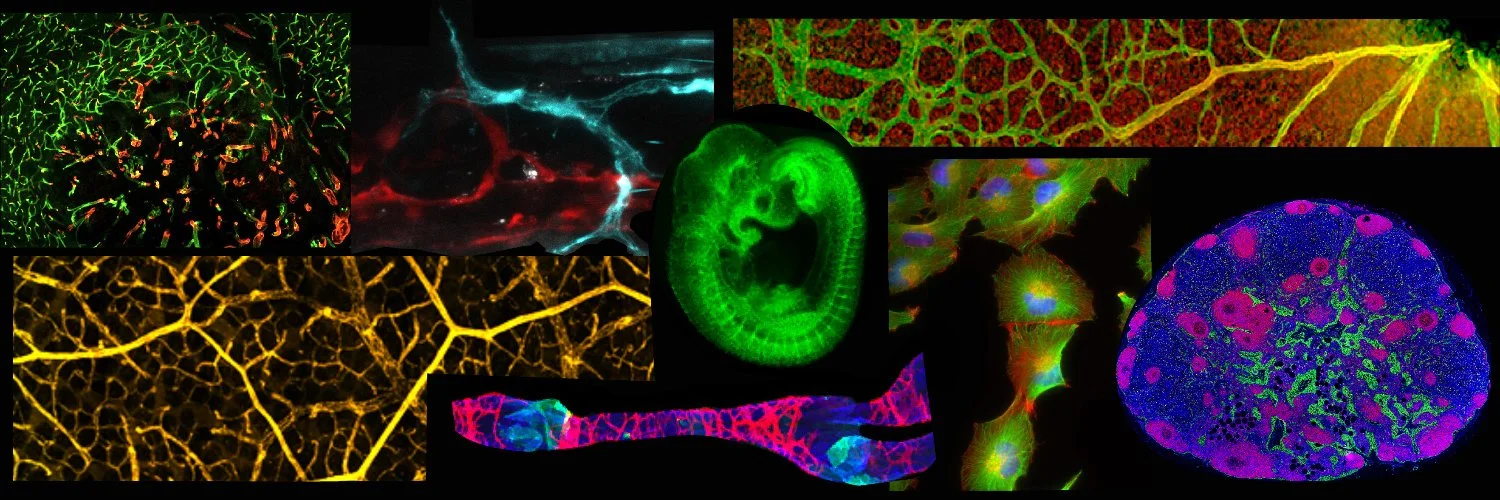
Each group has its own question. Together they cover the life of a vessel, from the first endothelial cells in the embryo to the vessels of tumours, malformations and inflamed tissue.
How blood and lymphatic vessels arise, respond to blood flow and mechanical forces, and acquire the features each organ needs. Live imaging in zebrafish, mouse genetics and single-cell atlases of vascular cells.
How endothelial junctions control what leaves the blood, from VEGF signalling and vascular permeability to the blood–brain barrier, and why barriers break down in cancer, eye disease and neurological disorders.
Groups: Claesson-Welsh, Andaloussi Mäe, Betsholtz, Magnusson
The mechanisms behind vascular malformations, cerebral cavernous malformation above all, the abnormal vessels of brain tumours and other cancers, and how cancer cells migrate and invade. Mouse models built on human mutations, patient-derived cells and drug screening.
Groups: Gängel, Magnusson, Dimberg, Claesson-Welsh, Aspenström
How complement, coagulation, autoantibodies and immune cells act at the vessel wall, in thrombosis, transplantation, COVID-19 and rheumatic disease, and how tumour vessels can be reprogrammed to recruit immune cells.
Select a group for its research, selected publications and distinctions.
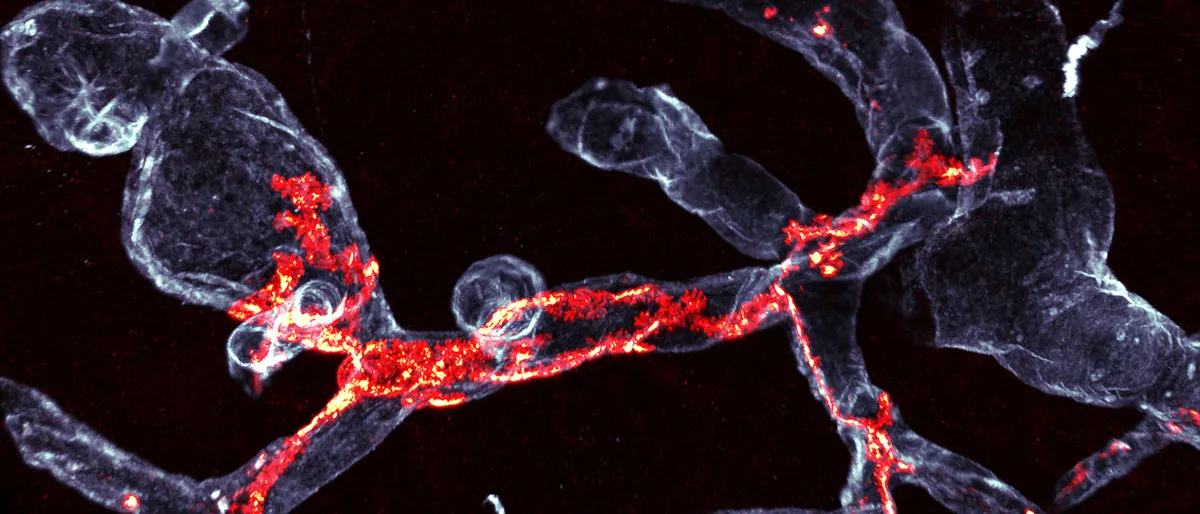
Researcher, principal investigator
How the blood–brain barrier is regulated and how it fails in disease.
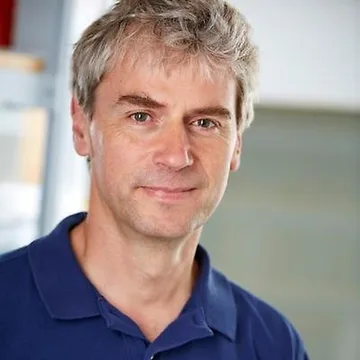
Researcher
Rho GTPases and the cytoskeleton in cancer cell migration and metastasis.
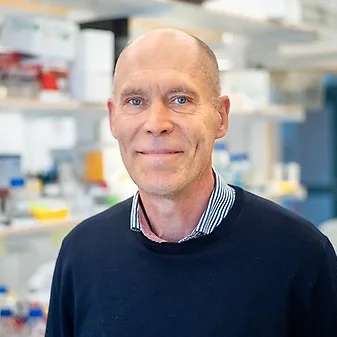
Professor of Vascular Biology
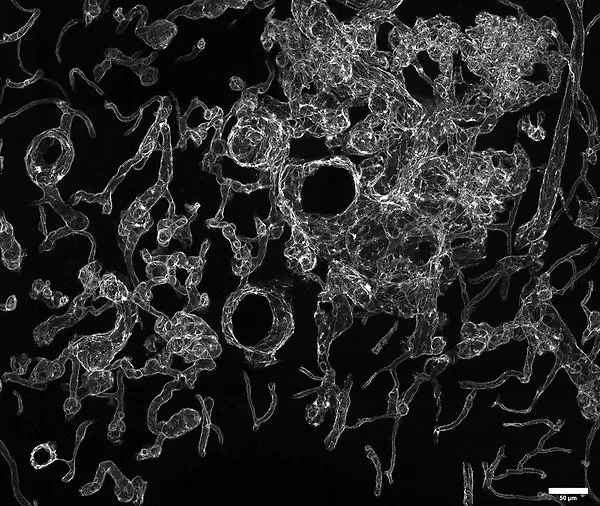
The cells of the vessel wall in the brain and meninges, mapped at single-cell resolution.
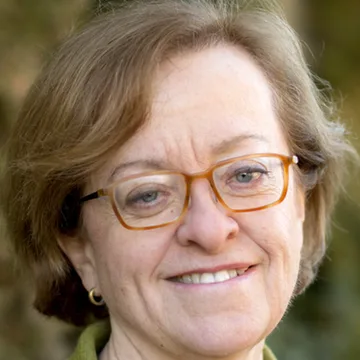
Professor of Medical Biochemistry
VEGF signalling and the control of vascular permeability in health and disease.
Professor of Cancer and Vascular Biology
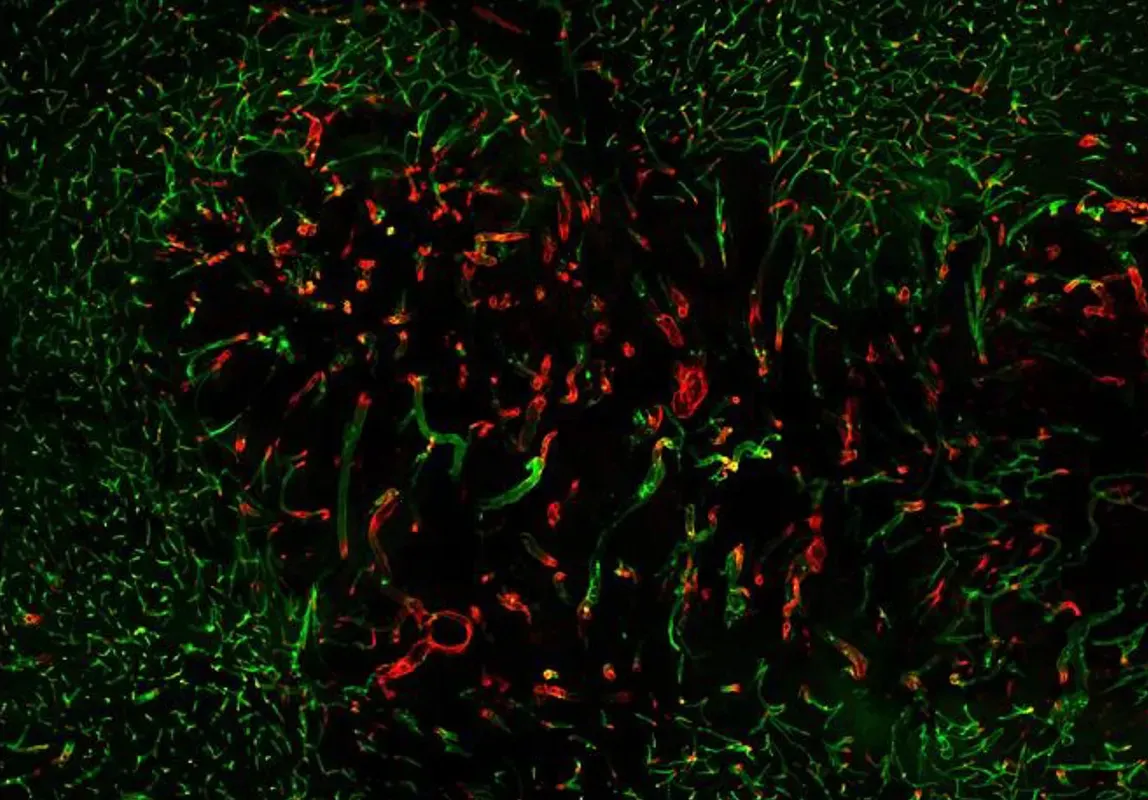
Reprogramming tumour vessels to improve immunotherapy of brain tumours.
Associate Professor, MD
The lectin pathway of complement in thrombosis and autoimmune disease.
Researcher, principal investigator
How vascular malformations form, with a focus on cerebral cavernous malformation.
Assistant Professor
How heartbeat and blood flow shape the developing heart and vessels.
Associate Professor
Cellular and molecular dynamics of lymphatic vessel formation.
Associate Professor
Inflammation, thrombosis and ischaemia in brain vascular disease.
Professor
The intravascular innate immune system and thromboinflammation.
Visiting Professor
Immune complexes and autoantibodies in rheumatic diseases.
Work led by programme groups since 2022, newest first. Each group's own list is in its profile.
Discoveries, grants and distinctions from the last three years. Each item links to the original announcement.

Pontus Aspenström, Anna Dimberg and Kaska Koltowska receive grants in the Cancer Society's 2026 round.
A screen of more than 5,000 compounds found that dabrafenib stops the growth of cavernous malformations in mice. Science Translational Medicine.
Anna Dimberg leads a Knut and Alice Wallenberg Foundation project to improve CAR-T cells against brain tumours.
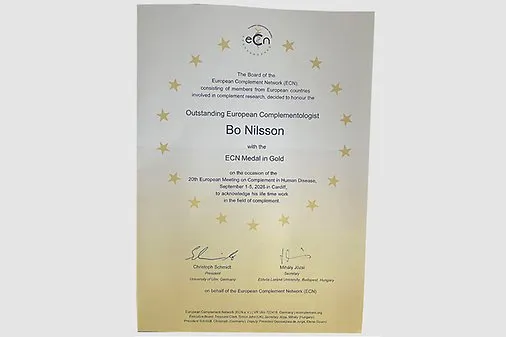
A lifetime achievement award for research on the complement system, presented in Cardiff.
Maarja Andaloussi Mäe receives a Swedish Brain Foundation grant for work on the mechanisms that regulate the barrier.
Elisa Vázquez-Liébanas (blood–brain barrier), Linnea Lindelöf (lectin pathway), Eleftheria Pertsinidou (autoantibodies) and Beatriz de Alves Pereira (CD93 in tumour vessels).
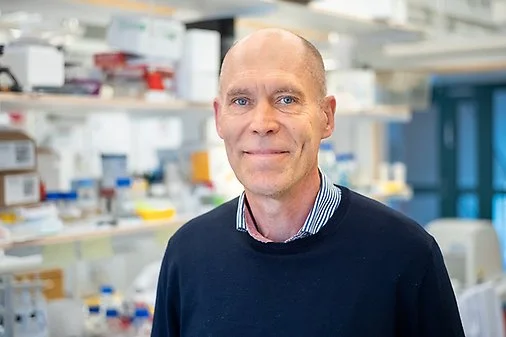
He is one of 25 new international members elected in 2026.
Karolinska Institutet's prize recognises her discovery of tertiary lymphoid structures in brain tumours.
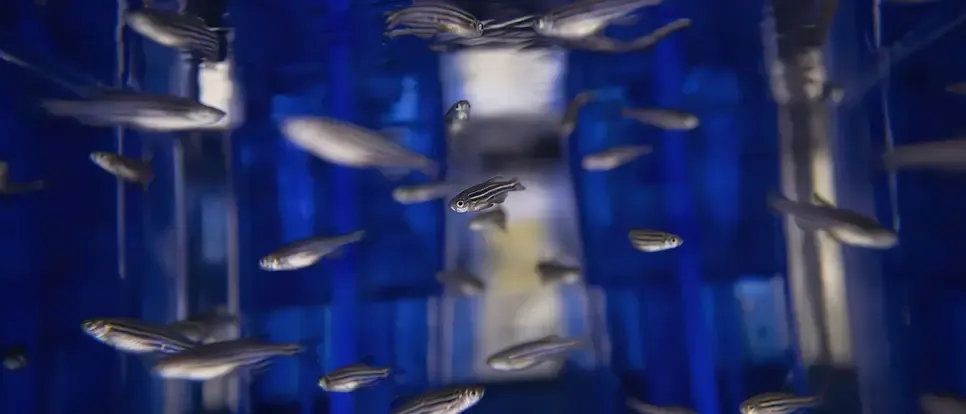
The zebrafish research infrastructure, with Kaska Koltowska as scientific director, offers new zebrafish lines, high-throughput imaging and image analysis.
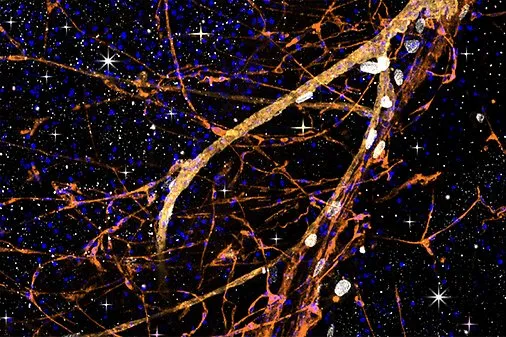
Human stem-cell-derived endothelial cells are integrated into mouse brain explants to study neurovascular communication. STAR Protocols.
Peetra Magnusson receives SEK 2.4 million over three years for biomarkers and treatment of CCM.
He is one of five Uppsala University researchers on Clarivate's 2025 Highly Cited Researchers list.
Two programme groups funded in the Swedish Cancer Society's 2025 round.
A starting grant to Oskar Eriksson and project grants to Lena Claesson-Welsh and Peetra Magnusson.
A drug candidate from Bo Nilsson's group reduced ischaemia–reperfusion injury in preclinical models. American Journal of Transplantation.
She joins Christer Betsholtz and Lena Claesson-Welsh, already members of the Academy.
Christer Betsholtz is among eight IGP researchers funded by the Swedish Brain Foundation.
Five years of funding to find out what the arachnoid barrier of the meninges does in health and disease.
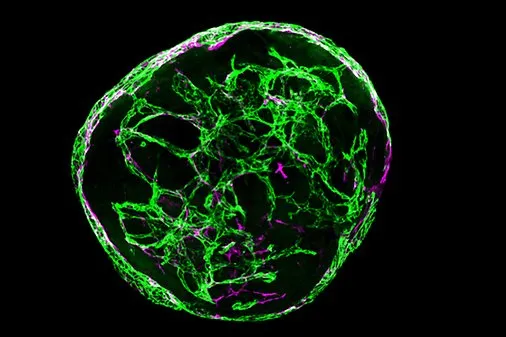
Patient-derived stem cell models of cerebral cavernous malformation. Cell Reports.
A prize for young researchers, for work on how blood-flow forces shape cardiovascular development.
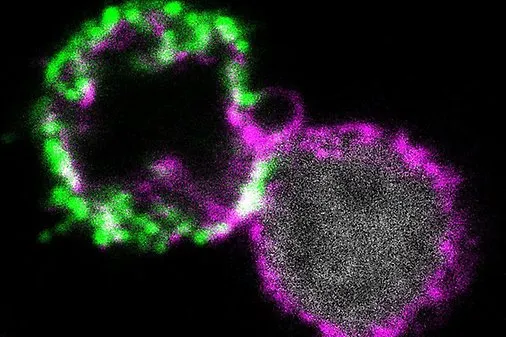
The study shows how this transfer is regulated, which could improve CAR-T therapy. Science Immunology.
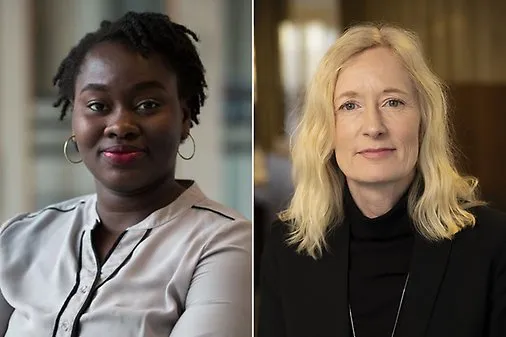
Blocking neutrophil extracellular traps reduced lesions in mouse models of CCM. Nature Cardiovascular Research.
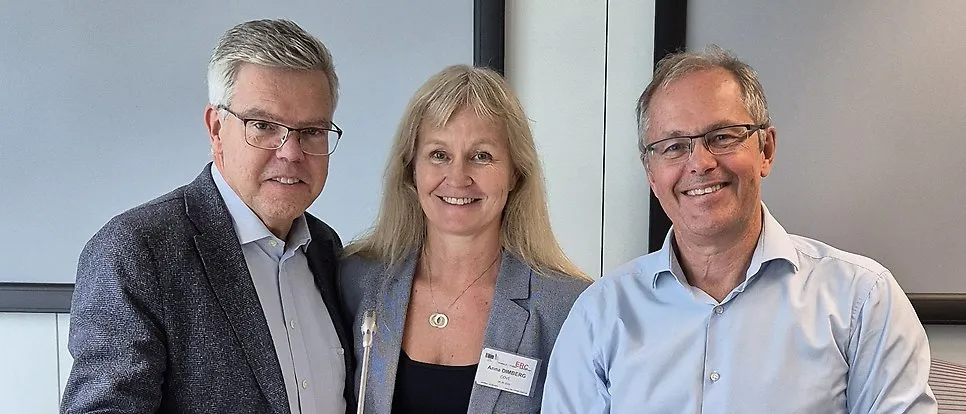
Anna Dimberg, Magnus Essand and Thomas Tüting receive €9.5 million (about SEK 110 million) to target tumour vessels and improve immunotherapy.
A five-year project grant to Anna Dimberg and a starting grant to Thomas Juan.
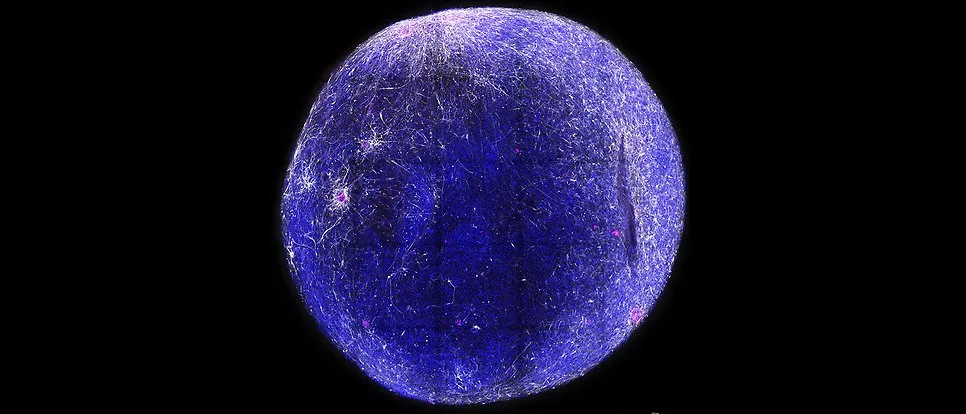
The Swedish Foundation for Strategic Research funds CNSx3, with Peetra Magnusson as a partner.
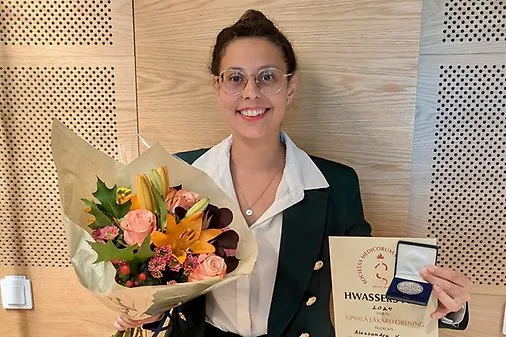
Alessandra Vaccaro, trained in the Dimberg group, for her thesis on tertiary lymphoid structures in glioblastoma.
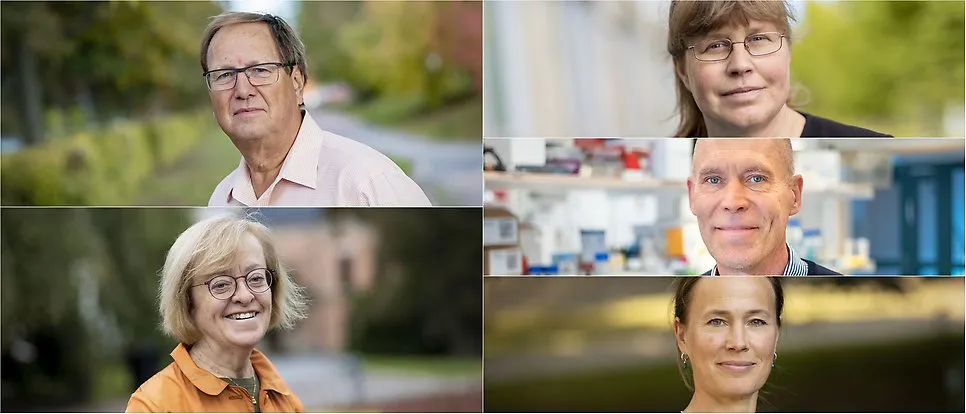
Five years of support for each from the Knut and Alice Wallenberg Foundation.
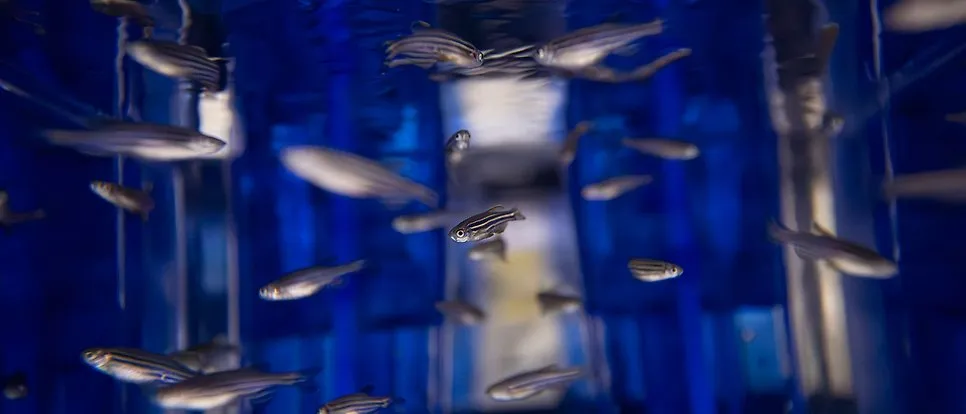
About 1,800 tanks at the Biomedical Centre, with lymphatic research from the Koltowska group among the first users.
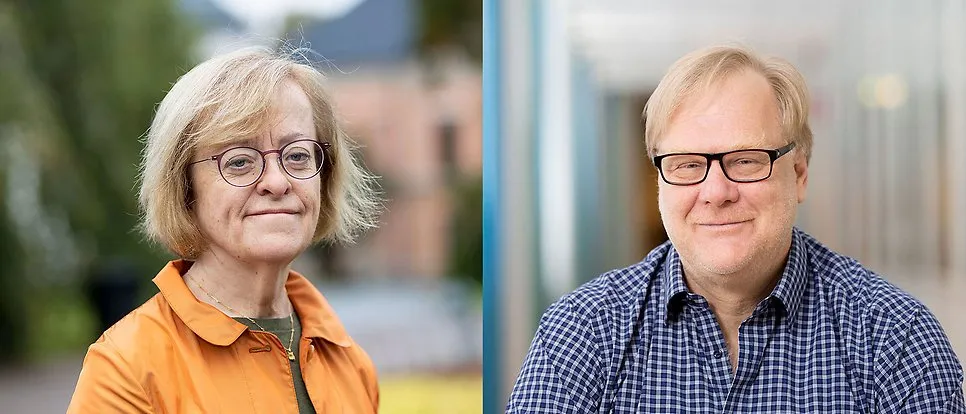
One of Uppsala University's foremost research awards, for her work on angiogenic growth factors and vascular permeability.
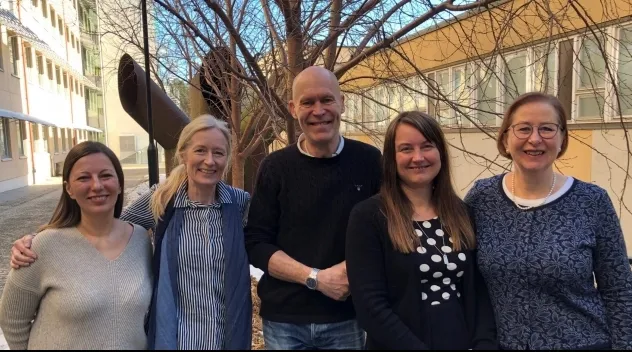
About 350 researchers from 30 countries gathered in Uppsala for the international Cerebrovascular Biology conference, with Christer Betsholtz on the organising committee.
The programme draws on research infrastructures at IGP, the Biomedical Centre, SciLifeLab and Uppsala University Hospital.
An automated facility of about 1,800 tanks at the Biomedical Centre, and DanioReadout, the IGP service for mutant lines, exposure studies and image analysis.
Confocal, light-sheet and intravital microscopy in the groups, and the BioVis platform for microscopy and flow cytometry in the Rudbeck Laboratory.
Single-cell and bulk sequencing, proteomics and genome engineering through the Uppsala Genome Centre, Clinical Genomics Uppsala and SciLifeLab.
The Rudbeck Laboratory is next to Uppsala University Hospital. Physician-scientists in the programme work with clinical cohorts and diagnostics.
Human tissue and plasma from Swedish cohorts, the U-CAN cancer biobank hosted by IGP, and patient-derived stem cells.
Mouse genetic models of vascular disease, compound screening, and the IGP Preclinical Cancer Treatment Centre.
Group leaders include an international member of the US National Academy of Sciences, members of the Royal Swedish Academy of Sciences and EMBO, two Wallenberg Scholars, and holders of ERC Synergy and Advanced Grants.
One environment covers vessel formation in the embryo, organ-specific specialisation in the adult and failure in disease.
Live imaging of zebrafish, mouse genetics, human stem-cell models and patient material, used side by side and shared between groups.
Drug repurposing for vascular malformations, vascular gene therapy and CAR-T cells for brain tumours, and complement assays used in patient diagnostics.
Vascular biologists and immunologists in one programme, for questions that sit between the two fields: thromboinflammation, tumour immunity and autoimmunity.
Eleven PhD theses since 2023, and a seminar series that regularly brings leading vascular biologists to Uppsala.
PhD students, postdocs and master's students train in an environment of twelve groups with shared models, methods and seminars.
The Rudbeck seminar series brings international vascular biologists to Uppsala. Recent speakers hosted by the programme include Holger Gerhardt (MDC Berlin), Katerina Akassoglou (Gladstone Institutes), Pipsa Saharinen (University of Helsinki), Shane Herbert (University of Manchester), Benoit Vanhollebeke (Université libre de Bruxelles), Jason Fish (University of Toronto), Anne Lagendijk (University of Queensland) and Kristina Haase (EMBL). Next: Martin Schwartz, Yale School of Medicine, 3 December 2026.
Doctoral theses defended in the programme since 2023 range from lymphatic development in zebrafish to autoantibodies in rheumatoid arthritis.
Advertised on Uppsala University's vacancies page. Doctoral students are employed with a full salary.
Contact a group leader about open positions and about applying together for fellowships.
Contact the group whose research interests you. Projects run throughout the year.
Rudbeck Laboratory
Dag Hammarskjölds väg 20
751 85 Uppsala, Sweden
For scientific collaboration, contact the relevant group leader through their group profile.
Researcher, principal investigator · Mechanistic studies on the blood–brain barrier
The blood–brain barrier depends on tight junctions, low transcytosis, nutrient transporters and efflux pumps in brain endothelial cells. Its breakdown is linked to stroke, Alzheimer's disease and rare genetic disorders such as cerebral cavernous malformation. The group maps the brain vasculature in mouse models with barrier leakage, combining single-cell RNA sequencing, proteomics, tracers and imaging, to find which effects on endothelium, pericytes, smooth muscle cells, microglia and astrocytes are shared between different kinds of barrier failure and which are specific.
Rho GTPases, relatives of the RAS oncogene, control cell shape, the cytoskeleton and migration. The group studies their role in cancer cell migration, invasion and metastasis, with a focus on the fast-cycling atypical Rho GTPases. A translational project profiles the cytoskeleton and motility of patient-derived malignant mesothelioma cells with machine-learning image analysis as a possible diagnostic tool. The group also studies the mitochondrial Miro GTPases, which it first identified, and their role in mitochondrial transport.
Professor of Vascular Biology · Vascular and perivascular cells of the brain and meninges
The group studies how the cells of the vessel wall (endothelial cells, pericytes, smooth muscle cells and fibroblasts) develop and work together in health and disease, with a focus on the brain. Using mouse genetics, it removes pericytes or other parts of the blood–brain barrier and follows how the barrier and the surrounding brain respond. The group has built single-cell atlases of vascular and perivascular cells, from the brain vasculature to smooth muscle cells, the meninges, the aorta and the liver, and shares them as public resources. A newer line of work, funded by an ERC Advanced Grant, defines the arachnoid barrier of the meninges and its role in cerebrospinal fluid drainage and brain disease. Christer Betsholtz is also Professor of Vascular Biology at Karolinska Institutet.
The group studies how blood vessels form and how their permeability is regulated. VEGF-A signalling through VEGFR2, with the co-receptor neuropilin-1, the phosphatase VE-PTP and Src-family kinases, controls endothelial junctions and leakage. Pathological leakage drives oedema and inflammation in cancer, retinopathy and chronic inflammation, and helps tumours spread. The lab combines mouse genetics with its own real-time intravital imaging of leakage, small-molecule screening for eye disease and imaging mass cytometry of human lung cancer. Newer projects address VEGF-A in vascular ageing and Src-family kinases in lipid metabolism.
Professor of Cancer and Vascular Biology · Tumour vascular biology
The group studies why tumour vessels become abnormal, mainly in glioblastoma and glioma, and how this shapes the tumour microenvironment and the response to immunotherapy. It showed that CD93 controls the endothelial cytoskeleton, barrier function and metastatic spread, and that AAV gene therapy can reprogramme tumour vessels into high endothelial venules that build tertiary lymphoid structures and recruit T cells. The lab combines human tumour tissue, experimental cancer models, cell culture models and CAR-T cell engineering.
Associate Professor, MD · Translational studies of the complement system
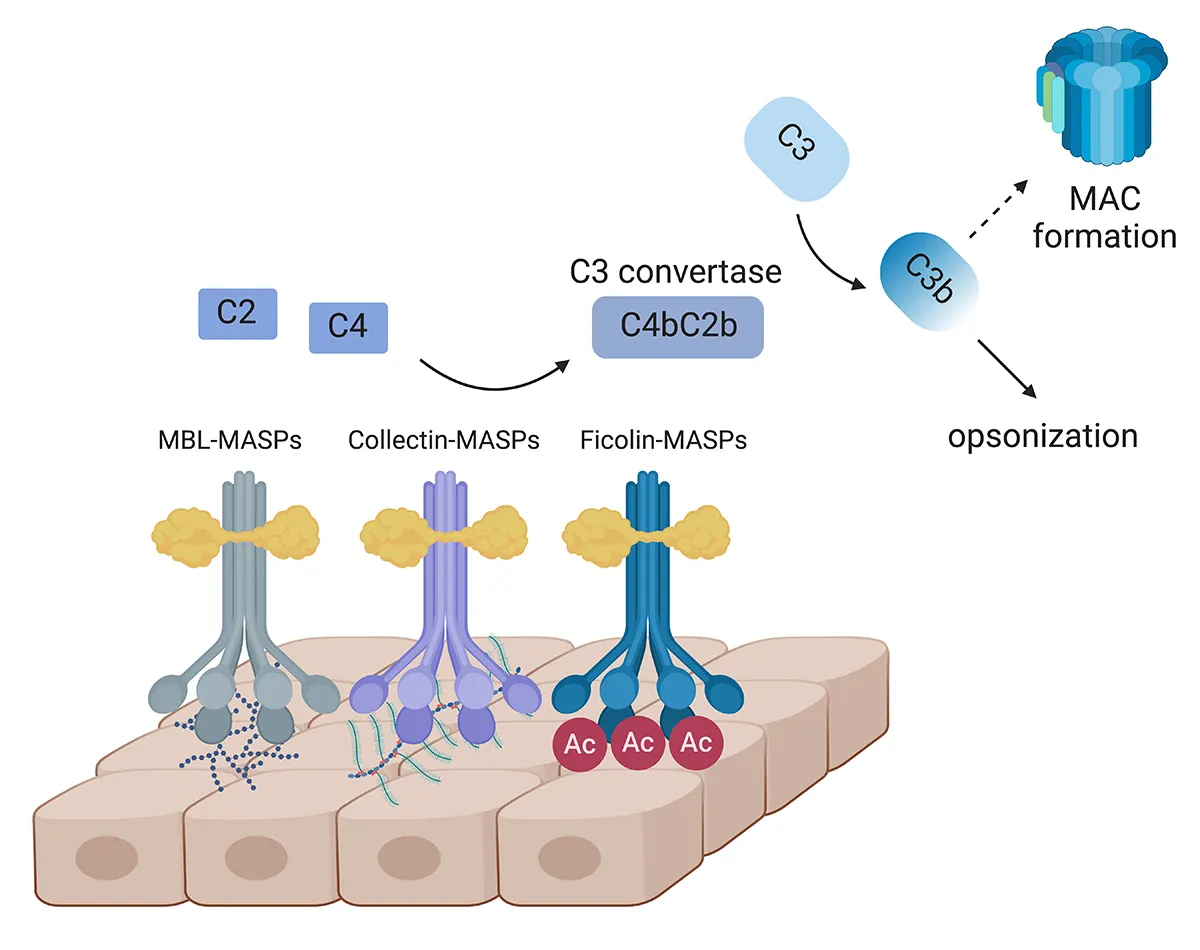
The complement system is an intravascular arm of innate immunity. The group studies how it is activated in humans and how it contributes to systemic inflammatory and autoimmune disease, with a focus on the lectin pathway and ficolin-3, a pattern-recognition molecule found in primates but not in rodents. The group found that ficolin-3 binds acetylated and other modified proteins. It uses proteome-wide arrays, whole-blood models and genetics, and works with the clinical complement laboratory at Uppsala University Hospital on assays for patients with COVID-19, lupus, ANCA vasculitis and pulmonary embolism. Oskar Eriksson is also a resident physician in clinical immunology and transfusion medicine.
Researcher, principal investigator · Vascular malformations and anomalies
The group studies how vascular malformations form and progress, to find biomarkers and drug targets. Its main focus is cerebral cavernous malformation, caused by loss of KRIT1, CCM2 or PDCD10, which produces leaky, bleeding-prone lesions with no drug treatment. The group showed that loss of the Rho GTPase Cdc42 in endothelial cells causes CCM-like malformations in retina and brain, and contributed to work showing that loss of the transcription factor SRF in mural cells causes arteriovenous malformations. The group builds mouse models based on human mutations and uses intravital microscopy and single-cell RNA sequencing.
Assistant Professor · Blood flow mechanosensation during cardiovascular development
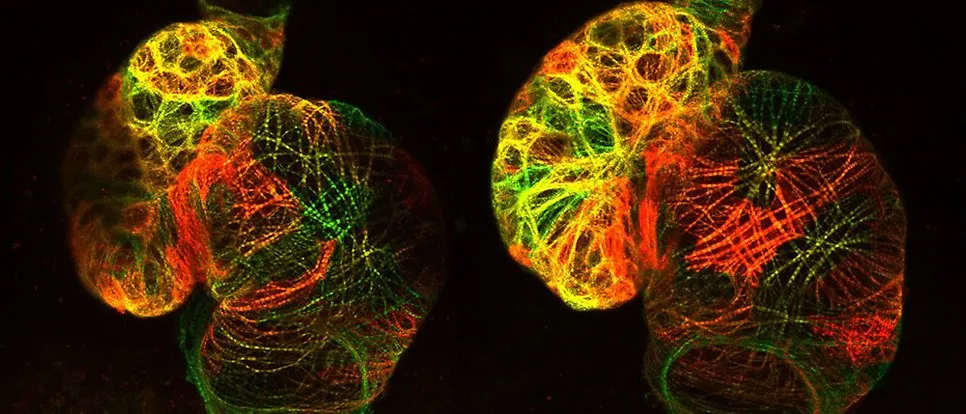
The lab studies how the forces of heartbeat and blood flow shape the developing heart, using zebrafish embryos, which are transparent and can be imaged alive. It focuses on endothelial and endocardial cells, the first cells to sense flow, and on mechanosensors of the Piezo and Pkd families in cardiac valve formation. The lab also engineers conditional genetic tools, such as Cre-lox, degron and recombinase-activated ribozyme strategies, to switch off genes and proteins in chosen cells without triggering genetic compensation.
The group was founded in Uppsala in 2024. The publications below come from Thomas Juan's earlier work at the Max Planck Institute for Heart and Lung Research.
Associate Professor · Cellular and molecular dynamics of lymphangiogenesis
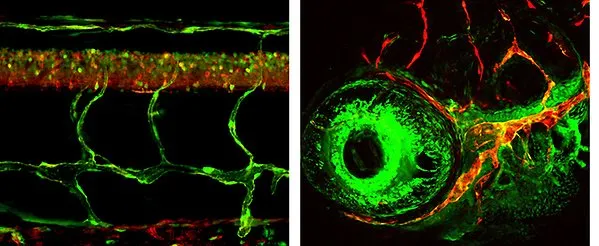
The group studies how lymphatic vessels arise from veins and become functional, using zebrafish with live imaging at single-cell resolution, genetics and molecular profiling. Kaska Koltowska showed earlier that lymphatic progenitors in the cardinal vein divide, with one daughter cell becoming lymphatic and the other staying venous. Her group identified Mafba and Mafbb as regulators of lymphatic endothelial cell migration. Other work covers ribosome biogenesis and p53 in lymphangiogenesis, guidance cues from arterial mural cells and the enhancers that drive prox1a in distinct lymphatic beds. She is also scientific director of DanioReadout, the zebrafish research infrastructure based at IGP.
Associate Professor · Inflammation, thrombosis and ischaemia in vascular biology
The group studies dysfunctional brain vessels, mainly cerebral cavernous malformations, and how vessels can be protected against ischaemia. It has shown that immunothrombosis and neutrophil extracellular traps drive lesions, and that blocking them reduces lesion burden in mice. It works to repurpose approved drugs: a screen of more than 5,000 compounds found that dabrafenib halts CCM progression. Models include CCM mice, patient-derived iPSC endothelial cells integrated into brain explants, and proteomics of human lesions. A second line protects donor organs in transplantation.
Professor · The intravascular innate immune system and thromboinflammation
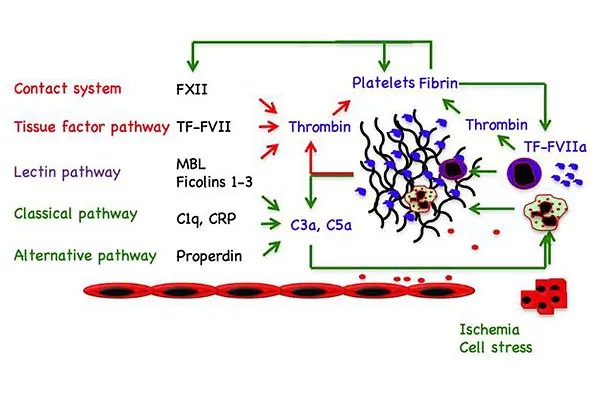
The intravascular innate immune system combines the plasma cascades (complement, coagulation, the kallikrein–kinin system and fibrinolysis) with blood cells and the endothelium. It underlies thromboinflammatory reactions in disease and during treatments such as transplantation, dialysis, extracorporeal circulation and the infusion of nanoparticles and biomaterials. The group has developed whole-blood models on antithrombotic surfaces that reveal how the cascades interact, and aims to develop diagnostics and therapies that modulate the system as a whole.
Visiting Professor · Immune complexes and associated autoantibodies in rheumatic diseases
The group asks how autoantibodies, free in serum and bound in circulating immune complexes, relate to disease features, prognosis and treatment response in rheumatoid arthritis, lupus, systemic sclerosis and myositis. It develops quantitative assays that measure antinuclear antibodies at very low and very high levels, where routine tests say little, and cell-based assays of immune complex function. It showed that anti-collagen type II antibodies mark a subgroup of early rheumatoid arthritis with high inflammation but good prognosis. The group works with Swedish and international cohorts and on international harmonisation of autoantibody testing.